
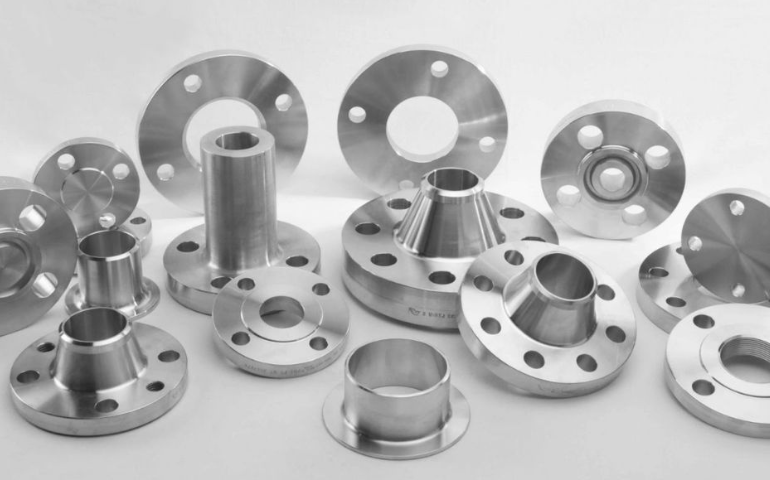
Flanges: Essential Components for Industrial Piping Systems
Flanges are integral to industrial piping systems, providing secure connections between pipes, valves, pumps, and other equipment. Their design allows for easy assembly and disassembly, facilitating maintenance and system modifications.
The selection of appropriate flanges is crucial for ensuring the integrity and efficiency of piping systems. Factors such as pressure, temperature, and the nature of the fluid being transported must be considered when choosing flange types and materials.
Types of Flanges
Common types of flanges include:
- Weld Neck Flanges: Ideal for high-pressure applications, these flanges feature a long tapered hub that provides strength and reduces stress concentrations.
- Slip-On Flanges: Suitable for low-pressure systems, these flanges slide over the pipe and are welded both inside and outside.
- Socket Weld Flanges: Designed for small-diameter, high-pressure piping systems, they offer a smooth bore and are welded inside and outside.
- Threaded Flanges: These flanges have internal threads that allow them to be screwed onto the pipe, eliminating the need for welding.
- Blind Flanges: Used to seal the end of a pipeline or vessel, they are essential for pressure testing and system isolation.
- Lap Joint Flanges: Consist of two components—a stub end welded to the pipe and a flange that fits over it, allowing for easy alignment and rotation.
The choice of flange type depends on factors such as pressure rating, temperature, and the specific requirements of the piping system. It's essential to consult with industry standards and professionals to select the most suitable flange for each application.
Proper installation and maintenance of flanges are vital to ensure the safety and longevity of piping systems. Regular inspections and adherence to best practices can prevent leaks and other issues, maintaining the system's integrity.